

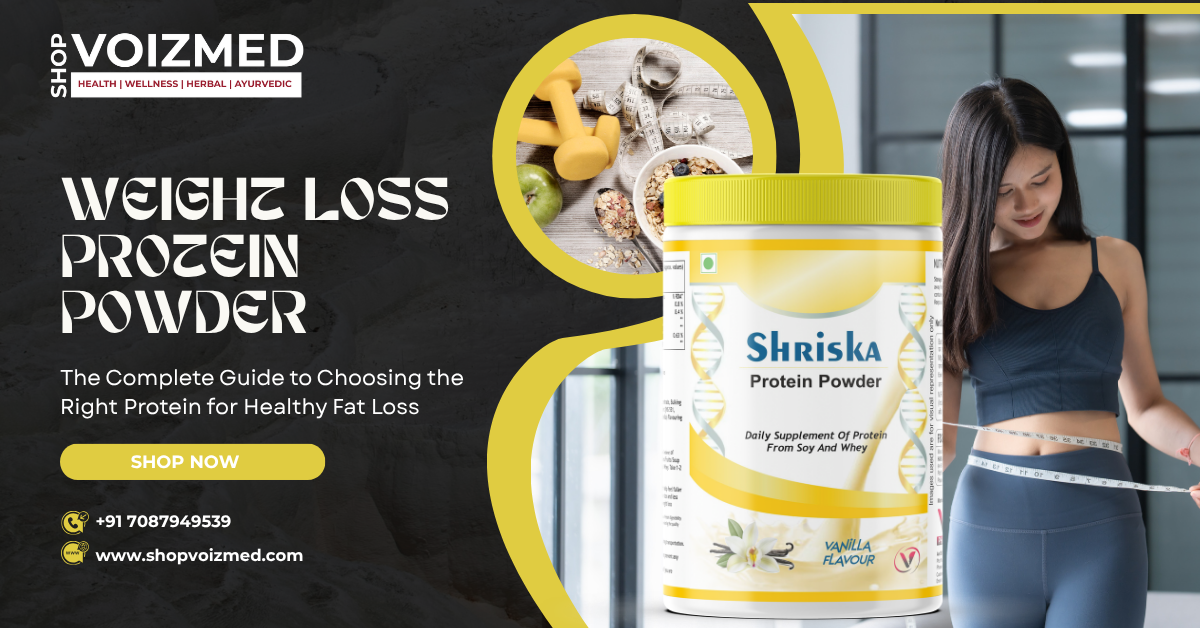
Losing weight is more than simply reducing calories—it’s about maintaining muscle, controlling hunger, and providing your body with the nutrients it needs. One supplement that has become increasingly popular among fitness enthusiasts and health-conscious individuals is weight loss protein powder.
Whether you’re beginning your weight loss journey or looking to overcome a plateau, the right weight protein powder can complement a balanced diet and regular exercise. However, not every protein supplement is formulated for weight management. Knowing what to look for can help you make an informed choice.
In this guide, we’ll explain how weight loss protein powder works, its benefits, the ingredients to look for, and how to use it effectively for sustainable results.
What Is Weight Loss Protein Powder?
Weight loss protein powder is a nutritional supplement designed to increase your daily protein intake while supporting fat loss goals. Unlike traditional mass-gainer supplements, these protein powders are typically lower in calories, sugar, and carbohydrates while providing a high-quality protein source.
Protein plays a vital role in preserving lean muscle, increasing satiety, and supporting metabolism during a calorie-controlled diet. When combined with healthy eating habits and regular physical activity, protein powder can become a valuable part of a weight management plan.
Why Protein Is Important for Weight Loss
Many people focus only on reducing calories, but protein deserves equal attention.
Here are the reasons why:
1. Keeps You Feeling Full
Protein digests more slowly than carbohydrates, helping you stay satisfied for longer periods. This may reduce unnecessary snacking and overeating between meals.
2. Preserves Lean Muscle
During weight loss, the body can lose both fat and muscle. Adequate protein intake helps maintain muscle mass, which supports a healthier body composition.
3. Supports Metabolism
Digesting protein requires more energy than digesting fats or carbohydrates, slightly increasing daily calorie expenditure.
4. Helps Recovery After Exercise
Whether you lift weights, walk daily, or perform cardio workouts, protein supports muscle recovery and repair.
Benefits of Using Weight Loss Protein Powder
Adding a quality protein supplement to your routine may offer several advantages.
Supports Healthy Fat Loss
Protein helps maintain muscle while your body burns stored fat through a calorie deficit.
Convenient Nutrition
Busy schedules often make healthy eating difficult. Protein shakes provide a quick option for meeting daily protein requirements.
Better Portion Control
Replacing unhealthy snacks with a protein shake can help reduce overall calorie intake.
Supports Active Lifestyle
Protein fuels muscle repair after exercise, helping you stay consistent with your workouts.
Easy to Include in Different Meals
Protein powder can be mixed into smoothies, oats, yogurt, pancakes, or simply blended with water or milk.
Types of Protein Powder for Weight Loss
Different protein sources suit different lifestyles and dietary preferences.
Whey Protein
Whey protein is quickly absorbed and contains all essential amino acids. It’s a popular choice for post-workout nutrition.
Best for:
- Gym-goers
- Active individuals
- Muscle recovery
Casein Protein
Casein digests slowly, making it suitable before bedtime or during long periods without food.
Best for:
- Overnight recovery
- Long-lasting fullness
Plant-Based Protein
Made from pea, brown rice, soy, or other plant sources, these options are suitable for vegans and people avoiding dairy.
Best for:
- Vegan diets
- Dairy intolerance
Protein Blends
Some supplements combine multiple protein sources to provide both fast and slow digestion.
What to Look for in a Weight Loss Protein Powder
Not every protein supplement supports weight management equally.
Choose products that offer:
- High protein per serving (20–30 grams)
- Low sugar content
- Limited added sugars
- Moderate calorie count
- Good digestibility
- High-quality ingredients
- Third-party quality testing
- No unnecessary fillers
Reading the nutrition label is one of the best ways to compare products.
How to Use Weight Loss Protein Powder Effectively
Many people expect protein powder alone to produce weight loss. In reality, it works best alongside healthy habits.
Morning Shake
Start your day with a protein-rich breakfast to stay fuller for longer.
Post-Workout
Consume protein within a reasonable time after exercise to support muscle recovery.
Healthy Snack
Replace processed snacks with a protein shake when hunger strikes.
Add to Meals
Mix protein powder into oats, smoothies, or yogurt for extra nutrition.
Common Mistakes to Avoid
Even healthy supplements can be misused.
Using Protein Without a Balanced Diet
Protein powder should supplement—not replace—a nutritious diet rich in vegetables, fruits, whole grains, and healthy fats.
Ignoring Total Calories
Consuming excess calories, even from protein shakes, may slow weight loss progress.
Skipping Exercise
Physical activity remains one of the most effective ways to support healthy body composition.
Choosing High-Sugar Products
Some protein powders contain unnecessary sugars and artificial ingredients that increase calorie intake.
Who Can Benefit from Weight Loss Protein Powder?
Weight loss protein powder may be suitable for:
- Adults following a calorie-controlled diet
- Busy professionals
- Fitness enthusiasts
- Individuals trying to maintain lean muscle during weight loss
- People with higher protein requirements
- Those looking for healthier snack alternatives
Individuals with kidney disease, medical conditions, or dietary restrictions should consult a healthcare professional before using protein supplements.
Can Protein Powder Replace Meals?
Protein powder can occasionally replace a meal when combined with healthy ingredients such as fruits, oats, seeds, or nuts. However, relying solely on protein shakes for weight loss is not recommended.
Whole foods provide essential vitamins, minerals, fiber, and antioxidants that protein supplements alone cannot replace.
A balanced eating plan remains the foundation of healthy weight management.
Tips to Maximize Results
For better outcomes:
- Eat enough vegetables every day.
- Stay physically active.
- Drink plenty of water.
- Sleep for 7–9 hours each night.
- Maintain a calorie deficit if weight loss is your goal.
- Include strength training to preserve muscle.
- Stay consistent rather than looking for quick fixes.
Small daily habits often produce better long-term results than extreme diets.
Frequently Asked Questions (FAQs)
1. Is weight loss protein powder good for beginners?
Yes. It can be a convenient way to increase protein intake when combined with a healthy diet and regular exercise.
2. Can protein powder burn fat directly?
No. Protein powder does not burn fat on its own. It supports weight loss by helping you stay full, preserve muscle, and meet protein needs while following a calorie-controlled diet.
3. When is the best time to drink protein powder?
It can be consumed after workouts, as a breakfast option, or as a healthy snack between meals.
4. Can women use weight loss protein powder?
Yes. Protein requirements depend on activity level and body needs, not gender. Women can safely use protein powder as part of a balanced diet.
5. Is whey protein better than plant protein?
Both can support weight loss. Whey is rapidly absorbed, while plant proteins are ideal for vegans or those with dairy intolerance.
6. Can I take protein powder every day?
Yes, provided it fits within your overall protein and calorie needs. Whole foods should still make up the majority of your diet.
7. Does protein powder have side effects?
Most people tolerate quality protein powders well. Some individuals may experience digestive discomfort if they are sensitive to certain ingredients or consume excessive amounts.
Conclusion
Weight loss protein powder is not a magic solution, but it can be an effective nutritional tool when used alongside a balanced diet, regular exercise, and healthy lifestyle habits. By increasing satiety, preserving lean muscle, and supporting recovery, protein powder helps make weight loss more sustainable over time.
The best results come from choosing a high-quality product with adequate protein, minimal added sugar, and clean ingredients. Remember that consistency—not shortcuts—is the key to achieving and maintaining a healthy weight.
If you’re considering adding a weight loss protein powder to your routine, focus on products that align with your nutritional needs and overall health goals while continuing to prioritize whole foods and an active lifestyle.


