

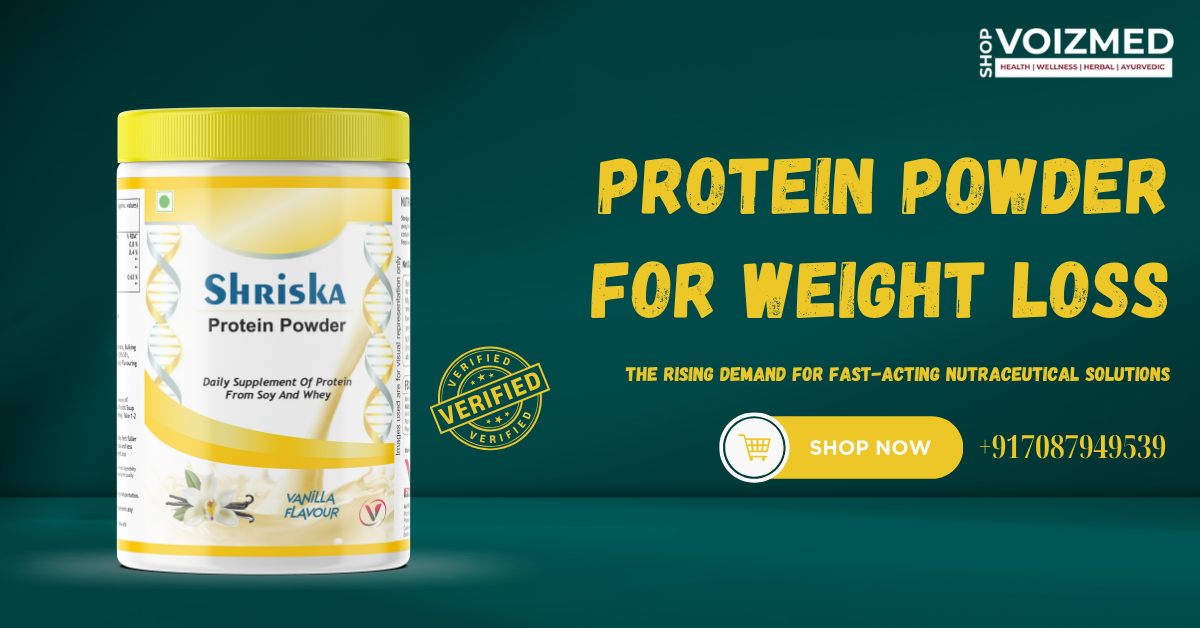
If you’ve ever searched for effective ways to lose weight, you’ve probably come across protein powder for weight loss. Fitness experts, nutritionists, and even doctors often recommend increasing protein intake while reducing calories. But does protein powder actually help you lose weight, or is it just another fitness trend?
Protein powder isn’t a magic solution. Instead, it supports weight loss by helping you stay full longer, preserve lean muscle, reduce cravings, and improve metabolism. When combined with a balanced diet and regular physical activity, it can become one of the most effective nutritional tools for sustainable fat loss.
In this comprehensive guide, you’ll learn everything about protein powder for weight loss in India, including its benefits, different types, how to use it correctly, common mistakes to avoid, and answers to the most frequently asked questions.
What Is Protein Powder?
Protein powder is a concentrated source of protein made from dairy, plants, or other natural sources. It is designed to help individuals meet their daily protein requirements conveniently.
Common protein sources include:
- Whey Protein
- Casein Protein
- Soy Protein
- Pea Protein
- Brown Rice Protein
- Hemp Protein
- Mixed Plant Protein
Protein powders are available in various forms, including:
- Powder
- Ready-to-drink shakes
- Meal replacement shakes
- Protein smoothie mixes
Can Protein Powder Help You Lose Weight?
Yes.
Scientific research consistently shows that higher protein intake can support healthy weight loss through several mechanisms.
1. Keeps You Full Longer
Protein digests more slowly than carbohydrates.
This increases satiety, helping you feel full for longer periods and reducing unnecessary snacking.
2. Reduces Overall Calorie Intake
People who consume more protein naturally eat fewer calories throughout the day because they experience fewer hunger cravings.
3. Preserves Lean Muscle Mass
When losing weight, your body can lose both fat and muscle.
Adequate protein intake helps maintain muscle while encouraging the body to burn stored fat.
4. Increases Metabolism
Protein has a higher Thermic Effect of Food (TEF).
Your body burns more calories digesting protein than carbohydrates or fats.
Approximate calorie burn during digestion:
- Protein: 20–30%
- Carbohydrates: 5–10%
- Fat: 0–3%
5. Supports Workout Recovery
If you exercise regularly, protein powder helps repair muscles faster, allowing better workout performance and consistent fat loss.
How Much Protein Do You Need for Weight Loss?
The ideal protein intake depends on your body weight and activity level.
General recommendations:
- Activity Level Daily Protein Intake
- Sedentary 0.8 g/kg body weight
- Weight Loss 1.2–1.6 g/kg
- Active Individuals 1.6–2.0 g/kg
- Strength Training 1.8–2.2 g/kg
Example:
If you weigh 70 kg, your daily protein requirement for weight loss may range between 84–112 grams.
Best Types of Protein Powder for Weight Loss
1. Whey Protein Isolate
Best for:
- Fast absorption
- Low carbohydrates
- Low fat
- High protein percentage
Ideal for:
- Post-workout
- Fat loss
- Lean muscle preservation
2. Whey Protein Concentrate
Contains:
- More natural nutrients
- Slightly higher fat
- Slightly higher carbohydrates
3. Casein Protein
Digests slowly.
Ideal before bedtime because it provides a steady release of amino acids overnight.
4. Plant-Based Protein
Excellent choice for:
- Vegans
- Lactose intolerance
- Dairy allergies
Popular options include:
- Pea protein
- Brown rice protein
- Soy protein
- Pumpkin seed protein
5. Meal Replacement Protein Shakes
These contain:
- Protein
- Fiber
- Vitamins
- Minerals
Useful for replacing one meal when trying to reduce calorie intake.
Best Time to Take Protein Powder for Weight Loss
Timing matters less than your total daily protein intake, but certain times may be especially beneficial:
Morning
Helps reduce cravings throughout the day.
After Workout
Supports muscle recovery and promotes lean body composition.
Between Meals
Reduces unnecessary snacking.
As a Meal Replacement
Can replace breakfast or lunch when balanced with fruits, vegetables, and healthy fats.
How to Use Protein Powder for Weight Loss
Follow these simple steps:
Step 1
Calculate your daily protein requirement.
Step 2
Choose a high-quality protein powder.
Step 3
Mix with:
- Water
- Unsweetened almond milk
- Low-fat milk
- Greek yogurt
- Smoothies
Step 4
Combine with:
- Exercise
- Strength training
- Healthy eating
- Adequate sleep
Foods That Pair Well With Protein Powder
Healthy combinations include:
- Banana
- Oats
- Chia seeds
- Flaxseeds
- Peanut butter (in moderation)
- Spinach
- Berries
- Greek yogurt
- Almond milk
- Ingredients to Look For
Choose protein powders that contain:
- High protein per serving (20–30g)
- Low sugar
- Low carbohydrates
- Minimal artificial ingredients
- Third-party tested quality
- Complete amino acid profile
Ingredients to Avoid
Avoid products with:
- Excess added sugar
- Hydrogenated oils
- Artificial fillers
- Excessive calories
- Unnecessary preservatives
Common Mistakes When Using Protein Powder for Weight Loss
Replacing Every Meal
Protein powder should supplement your diet—not replace all whole foods.
Ignoring Calories
Even healthy protein shakes contain calories.
Weight loss still depends on maintaining a calorie deficit.
Not Exercising
Protein alone won’t produce significant fat loss without physical activity.
Choosing Sugary Protein Powders
Many flavored products contain hidden sugars.
Always read the nutrition label.
Drinking More Than Needed
Excess protein can contribute unnecessary calories.
Meet—but don’t greatly exceed—your daily protein needs.
- Protein Powder vs Whole Foods
- Protein Powder Whole Foods
- Convenient More nutritious
- Quick absorption Rich in fiber
- Easy to digest Contains vitamins and minerals
- Portable More satisfying
The best strategy is to combine both.
Whole foods should remain your primary protein source.
Is Protein Powder Safe?
For most healthy adults, protein powder is considered safe when consumed within recommended amounts as part of a balanced diet.
However, consult a healthcare professional before use if you have:
- Kidney disease
- Liver disease
- Pregnancy
- Breastfeeding
- Medical dietary restrictions
Who Should Consider Protein Powder?
Protein powder can benefit:
- Individuals trying to lose weight
- Gym-goers
- Busy professionals
- Vegetarians
- Vegans
- Older adults
- Athletes
People with low dietary protein intake
Sample Weight Loss Protein Shake Recipe
Ingredients
- 1 scoop whey or plant protein
- 1 cup unsweetened almond milk
- ½ banana
- 1 tablespoon chia seeds
- Handful of spinach
- Ice cubes
Blend until smooth.
Approximate nutrition:
Protein: 25–30g
Calories: 220–280
High fiber
Low added sugar
Tips for Better Weight Loss Results
Eat enough protein daily.
Strength train 3–5 times per week.
Walk at least 8,000–10,000 steps daily.
Stay hydrated.
Sleep 7–9hours each night.
Prioritize whole foods over processed snacks.
Track your calorie intake if your goal is fat loss.
Be consistent rather than looking for quick fixes.
Frequently Asked Questions (FAQs)
Does protein powder burn belly fat?
No. Protein powder doesn’t specifically burn belly fat. It supports overall fat loss by helping control appetite, preserving muscle, and supporting a calorie deficit.
Which protein powder is best for weight loss?
Whey protein isolate is often preferred because it’s high in protein and low in fat and carbohydrates. Plant-based protein is an excellent alternative for vegans and those avoiding dairy.
Can beginners use protein powder?
Yes. Beginners can safely use protein powder to help meet their daily protein needs when combined with a balanced diet and exercise.
Is it okay to drink protein shakes every day?
Yes. Daily use is generally safe for healthy individuals, provided total protein intake is appropriate and protein powder complements a nutritious diet.
Can protein powder replace meals?
Occasionally, a balanced protein shake can replace a meal. However, relying on protein powder for most meals is not recommended because whole foods provide fiber and a broader range of nutrients.
Can women use protein powder for weight loss?
Absolutely. Protein requirements are based on body weight and activity level, not gender. Women can benefit from protein powder just as men do.
Will protein powder make me gain weight?
Protein powder itself doesn’t cause weight gain. Consuming more calories than you burn—regardless of the source—can lead to weight gain.
Should I drink protein before or after exercise?
Post-workout protein is commonly recommended to support muscle recovery, but meeting your total daily protein goal is more important than exact timing.
Can vegetarians use protein powder?
Yes. Plant-based proteins such as pea, soy, brown rice, and blended vegan proteins are suitable options for vegetarians and vegans.
How many protein shakes should I drink per day?
For most people, one protein shake per day is enough to help meet protein needs. Some active individuals may use two, depending on their diet and goals.
Final Thoughts
Protein powder is not a shortcut to weight loss, but it can be a valuable addition to a healthy lifestyle. By helping you stay fuller for longer, supporting muscle maintenance, and making it easier to meet your daily protein requirements, it can improve your chances of achieving sustainable fat loss.
The key is to use protein powder as a supplement—not a replacement for nutritious meals. Combine it with a balanced diet, regular exercise, adequate sleep, and consistent habits to see the best long-term results.
If chosen wisely and used correctly, protein powder can be an effective tool for supporting your weight loss journey while helping you maintain strength, energy, and overall health.


