

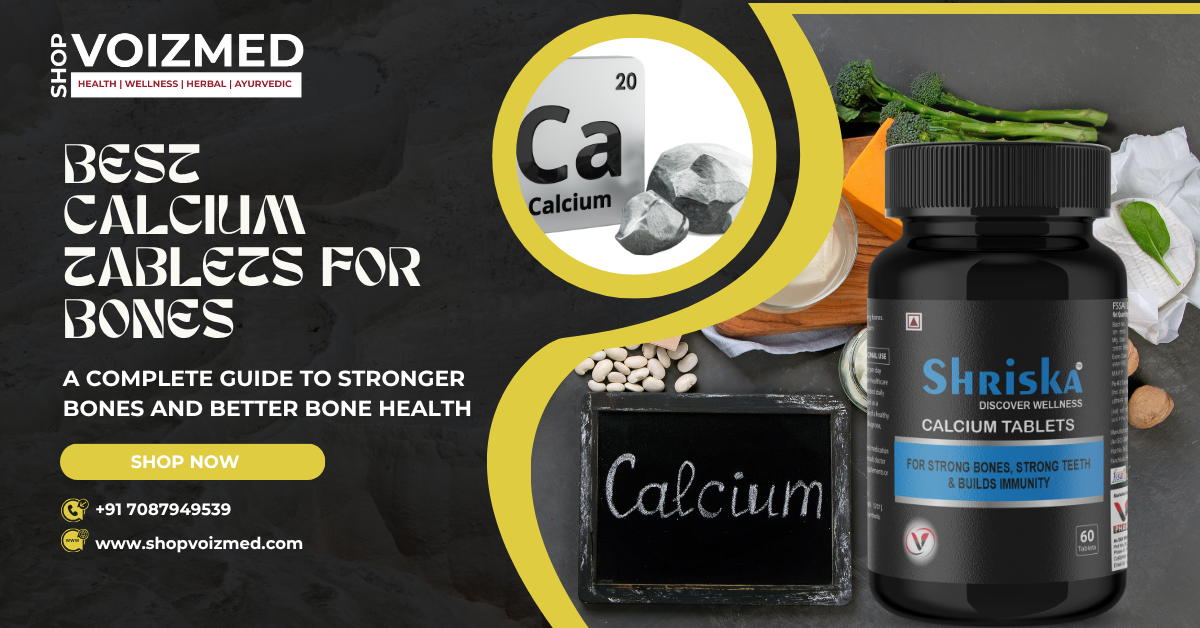
Strong bones are the foundation of a healthy and active life. Whether you’re in your 20s looking to build peak bone mass or over 50 aiming to prevent bone loss, getting enough calcium is essential. While a balanced diet remains the best source of calcium, many people fail to meet their daily requirements through food alone. That’s where calcium tablets can play an important role. But with hundreds of supplements available in the market, choosing the best calcium tablets for bones can be confusing.
In this comprehensive guide, you’ll learn everything about calcium tablets, how they work, who should take them, how to choose the right supplement, potential side effects, and frequently asked questions—all based on current medical recommendations and consumer search trends.
Calcium supplements are most effective when they’re used to address a deficiency or increased need, alongside adequate vitamin D, exercise, and a balanced diet—not as a replacement for a healthy lifestyle.
Why Calcium is Important for Bone Health
Calcium is the most abundant mineral in the human body, with approximately 99% stored in bones and teeth. It helps:
- Build strong bones during childhood and adolescence
- Maintain bone density in adulthood
- Reduce the risk of osteoporosis
- Support muscle function
- Help nerve transmission
- Promote normal blood clotting
When dietary calcium intake is insufficient, the body starts pulling calcium from bones, gradually weakening them over time.
Who Should Consider Calcium Tablets?
Calcium supplements may be beneficial for:
- Women above 40 years
- Postmenopausal women
- Senior citizens
- People diagnosed with osteoporosis
- Individuals with low dietary calcium intake
- Vegans or people avoiding dairy
- Pregnant and breastfeeding women (only as advised by a healthcare professional)
- People with vitamin D deficiency
- Individuals recovering from fractures
- Signs You May Have Calcium Deficiency
Common symptoms include:
- Frequent muscle cramps
- Weak or brittle bones
- Tooth decay
- Fatigue
- Numbness or tingling
- Weak nails
- Joint discomfort
- Frequent fractures
- Poor posture due to bone weakness
If these symptoms persist, consult your healthcare provider for proper evaluation rather than self-diagnosing.
Types of Calcium Found in Supplements
1. Calcium Carbonate
Contains the highest amount of elemental calcium
Best taken with meals
More affordable
May cause constipation or bloating in some people
2. Calcium Citrate
Easier to absorb
Can be taken with or without food
Better suited for older adults or people with reduced stomach acid
3. Calcium Citrate Malate (CCM)
Highly bioavailable
Well tolerated
Frequently recommended in India for improved absorption
4. Marine or Plant-Based Calcium
Naturally sourced
Often combined with trace minerals
Popular among those preferring plant-derived supplements
What Makes the Best Calcium Tablets for Bones?
Look for supplements containing:
Calcium
The primary mineral needed for bone strength.
Vitamin D3
Vitamin D improves calcium absorption. Without sufficient vitamin D, the body absorbs calcium less efficiently.
Magnesium
Supports bone formation and works alongside calcium.
Vitamin K2
Helps direct calcium toward bones instead of soft tissues.
Zinc
Supports bone repair and immune function.
Key Benefits of Calcium Tablets
1. Strengthen Bones
Calcium supports healthy bone mineral density.
2. Reduce Osteoporosis Risk
Adequate calcium intake throughout life helps reduce age-related bone loss.
3. Support Teeth Health
Calcium strengthens tooth enamel.
4. Improve Muscle Function
Calcium plays a role in muscle contraction.
5. Aid Nerve Function
It helps transmit nerve signals efficiently.
6. Promote Healthy Aging
Maintaining adequate calcium intake becomes increasingly important with age.
Best Food Sources of Calcium
Even if you take supplements, include calcium-rich foods like:
- Milk
- Yogurt
- Paneer
- Cheese
- Sesame seeds
- Almonds
- Tofu
- Ragi
- Broccoli
- Kale
- Spinach (note that oxalates can reduce calcium absorption)
- Fortified cereals
How to Take Calcium Tablets Correctly
For best results:
Follow the dosage recommended by your healthcare provider.
- Many adults absorb calcium best in doses of 500–600 mg or less at one time, so larger daily amounts are often divided.
- Calcium carbonate is generally taken with meals, while calcium citrate can usually be taken with or without food.
- Ensure adequate vitamin D through sunlight, diet, or supplementation if advised.
- Avoid taking calcium supplements at the same time as iron supplements, certain thyroid medications, or some antibiotics unless instructed otherwise.
Lifestyle Tips for Strong Bones
Healthy bones require more than calcium alone.
Follow these habits:
- Do regular weight-bearing exercise
- Get morning sunlight
- Eat protein-rich foods
- Avoid smoking
- Limit alcohol
- Reduce excessive soft drinks
- Maintain a healthy weight
- Stay physically active
Recent evidence also emphasizes that exercise, muscle strength, and fall prevention are key components of long-term bone health.
Possible Side Effects
Most people tolerate calcium supplements well.
Possible side effects include:
- Constipation
- Gas
- Bloating
- Stomach discomfort
Very high calcium intake may increase the risk of kidney stones or other health issues in some people. Do not exceed the recommended dose unless advised by a healthcare professional.
How to Choose the Best Calcium Tablets
Before purchasing, check:
- Calcium form (carbonate, citrate, or citrate malate)
- Presence of Vitamin D3
- Additional magnesium and zinc
- Quality certifications
- Brand reputation
- Clear ingredient labeling
- Expiry date
Frequently Asked Questions (FAQs)
Which calcium tablet is best for bones?
The best choice depends on your health needs. Calcium citrate and calcium citrate malate are often preferred because they are well absorbed, while many products also include vitamin D3 and magnesium for additional bone support.
Are calcium tablets safe for daily use?
They can be safe when taken as recommended by a healthcare professional and when dietary intake alone is insufficient.
Which age should start calcium supplements?
Children, adults, and seniors have different calcium requirements. Supplements should be considered based on diet, age, medical conditions, and professional advice.
Is Vitamin D necessary with calcium?
Yes. Vitamin D helps the body absorb calcium efficiently.
Can calcium tablets prevent osteoporosis?
Adequate calcium intake supports bone health, but preventing osteoporosis also depends on vitamin D status, physical activity, overall nutrition, and individual risk factors.
Can men take calcium tablets?
Yes. Men also need adequate calcium for healthy bones, particularly as they age.
When is the best time to take calcium tablets?
It depends on the type of calcium. Carbonate is usually taken with meals, while citrate may be taken with or without food.
Can I get enough calcium from food alone?
Many people can, but those with low dietary intake or increased requirements may need supplements after medical advice.
Are there any foods that reduce calcium absorption?
Foods high in oxalates or phytates may reduce calcium absorption if eaten at the same time. Spacing them apart may help.
Can calcium supplements replace exercise?
No. Exercise—especially weight-bearing and resistance activities—is essential for maintaining strong bones. Supplements alone are not enough.
Final Thoughts
Choosing the best calcium tablets for bones isn’t just about buying the highest-dose supplement. The right product should match your individual needs, provide a well-absorbed form of calcium, and ideally include nutrients like Vitamin D3, magnesium, and Vitamin K2 to support overall bone health.
Remember that supplements work best as part of a broader approach that includes a calcium-rich diet, regular exercise, sufficient vitamin D, and healthy lifestyle habits. If you have osteoporosis, kidney disease, a history of kidney stones, or take long-term medications that affect bone health, consult your healthcare provider before starting a calcium supplement.


